
Durable Box Carrying Handles Designed for Secure Transport
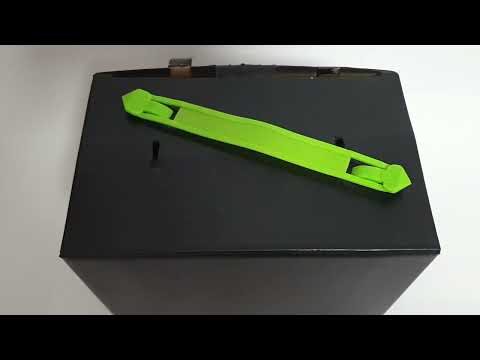
A box carrying handle is a simple yet transformative addition to any cardboard container. By providing a dedicated grip, it shifts the weight of your items from your fingertips to your palm, making even heavy loads feel manageable. This ergonomic grip reduces strain on your hands and wrists, allowing you to carry boxes farther and with greater ease. Simply slide the handle into the box’s pre-cut slots and lift with confidence.

Ergonomic Advances in Transport Grip Design
Recent ergonomic advances in transport grip design have reshaped the box carrying handle by prioritizing natural hand posture. Instead of a simple slot, modern handles now feature a contoured, padded core that fills the palm, reducing pressure points. Angled grips (often 15–20 degrees) keep the wrist neutral, preventing fatigue during long carries. The addition of rubberized, textured surfaces improves friction even with sweaty hands. Q: Why do modern box handles curve inward? A: This inward curve mirrors the relaxed hand’s shape, evenly distributing weight across the palm’s fleshy base rather than straining the finger joints. This shift from a straight bar to a biomechanically supportive shape directly reduces strain and improves control, making awkward box lifts feel more stable and less punishing on the hands.
Anatomy of a Modern Carry Solution for Parcels
A modern carry solution for parcels is built around a rigid core, often a molded polypropylene plate, that distributes the box’s weight across the handle’s base. The handle itself uses a contoured, rubberized grip, shaped to fit the natural curve of a closed hand, reducing pressure points. A self-adjusting strap assembly threads through the core and wraps under the parcel, locking tight via a cam buckle. This setup prevents the handle from rotating or tearing the cardboard, even with uneven loads. The strap’s woven polyester webbing is wide enough to avoid digging into the box edges during transit.

Q: What makes a modern parcel handle better than a simple cut-out hole in the box?
A: It spreads the load evenly across the handle’s rigid core and padded grip, so your hand doesn’t bear all the pressure, and it stops the cardboard from ripping under weight.
Material Innovations Driving Tensile Strength
Modern box carrying handles now use advanced polymer blends like glass-reinforced nylon, which dramatically boosts tensile strength without adding weight. This material resists snapping under heavy loads, preventing the handle from tearing through the cardboard. For extra durability, some handles incorporate aramid fibers similar to those in protective gear, maintaining flexibility while enduring repeated stress. The result is a grip that won’t fail mid-lift.
High-strength polymer composites also improve how the handle attaches to the box, distributing force evenly across the surface. Q: How do these innovations prevent handle breakage? A: By using woven thermoplastic layers that bond tightly with the cardboard, the handle shares the load across a wider area, stopping localized tears.
Load Distribution and User Comfort Mechanics
Effective load distribution in a box carrying handle hinges on a broad contact surface that spreads compression forces across the palm, rather than concentrating them in a small area. User comfort mechanics are further enhanced by a contoured grip profile that follows the hand’s natural closure, reducing peak pressure points. Dynamic weight transfer is minimized by a rigid handle core that prevents flexing, which would otherwise create unstable loads and muscle fatigue. A handle with a slight upward curve at the ends encourages a neutral wrist posture during lifting, reducing tendon strain. Padded inserts, while adding cost, improve comfort by dampening shear forces during movement, but only when the padding thickness is balanced to avoid reducing grip stability.
Selecting the Right Attached Carrier for Your Package
Selecting the right attached carrier for your package begins by evaluating the box carrying handle’s load capacity against your product’s total weight. For heavy items, choose a rigid plastic handle bolted directly into the box walls to prevent tearing. For lighter shipments, a die-cut cardboard handle integrated into the box flap suffices. Always match the handle material to the box’s corrugated flute size; a flimsy handle on thick double-wall board will fail. Crucially, verify the handle’s attachment point avoids internal product pressure points to prevent shifting during transit. The handle’s grip width should accommodate gloved hands if shipping to logistics centers, and its cutout must be offset from the box’s natural flex lines. Test a full load-lift before finalizing your carrier selection.
Weight Capacity Ratings and Safety Margins
When selecting a handle, its weight capacity rating defines the absolute maximum load, but the true measure of reliability lies in your safety margin. A handle rated for 50 pounds should never be trusted with exactly 50 pounds of shifting contents. Dynamic forces from lifting, sudden stops, or an unbalanced box can instantly exceed that threshold. Always choose a handle whose rating is at least 25% higher than your heaviest planned load. This crucial safety buffer accommodates jerking motions and prevents the handle from tearing free mid-carry, turning a secure grip into a spilled disaster.
Corrugated Board Compatibility and Attachment Methods
The attachment method for a box carrying handle must align with the corrugated board’s flute profile and basis weight. For lightweight carton box plastic handle single-wall board (e.g., E-flute), push-in or adhesive tabs are compatible, while heavy-duty double-wall or triple-wall board demands robust die-cut slots or riveted fasteners to prevent tear-out. Compatible attachment methods include plastic straps, glue-applied handles, and metal staples, but only where the board’s burst strength exceeds the handle’s tensile load. An ill-matched attachment can split a thin C-flute yet fail to penetrate thick BC-flute entirely.
Corrugated board compatibility and attachment methods demand a direct match between flute type, board thickness, and handle fastening technique—whether adhesive, mechanical, or slot-cut—to ensure joint integrity under load.
Hand Hole vs. Attached Strap: Which Suits Your Product?
For heavy or bulky boxes, an attached strap handle offers superior comfort and load distribution compared to a hand hole. The strap prevents your fingers from bearing all the weight, reducing fatigue and risk of the box tearing. A hand hole works best for lighter, compact products where the user simply needs a firm grip for quick carrying. However, if your packaging requires frequent lifting or your product is dense, always choose the strap to enhance user control and perceived quality. The decision ultimately rests on whether you prioritize effortless portability or minimal design complexity.
Installation Techniques for Secure Grab Points
For a box carrying handle, the most critical installation technique for secure grab points begins with selecting a through-bolt system rather than adhesive-only backing plates. You must pre-drill pilot holes precisely through the corrugated fiberboard or plywood gusset, ensuring the bolt shank passes cleanly without splitting the material. Counter-sink the bolt head on the box interior to avoid snagging contents, then sandwich the handle bracket between a rigid steel washer and a wide, serrated flange nut on the exterior. Torque the nut to 15–20 in-lbs only; over-tightening crushes the board substrate and compromises the grab point’s load capacity. For high-stress applications, reinforce the mounting zone with a bonded aluminum doubler plate before final fastening.
Automated Application in Assembly Lines
For box carrying handles on assembly lines, automated application systems use pneumatic grippers to press pre-cut handle inserts into die-cut carton blanks. A photoelectric sensor triggers the applicator precisely as the blank passes on the conveyor, eliminating misalignment. The system’s servo-driven arm then applies controlled pressure to secure the handle’s adhesive backing, ensuring it bonds firmly before the box moves to the next station. This cycle runs continuously with ±0.5mm placement accuracy, drastically reducing manual rework. Below is a quick comparison of common automation strengths for handle attachment.
| Automation Type | Best For | Cycle Speed |
|---|---|---|
| Pneumatic Press | Cardboard handles, medium-duty boxes | 60–80 per minute |
| Servo-Driven Applicator | Heavy-duty plastic handles | 45–60 per minute |
| Robotic End-of-Arm | Irregular box sizes | 30–50 per minute |
Manual Insertion Best Practices for Rigidity
For maximum rigidity, manually insert the handle mount by aligning it perfectly with the pre-drilled holes before applying any force. Engage the locking mechanism first to create a solid foundation, then drive the fastener straight in without tilting the tool. A slight wrist-twist during final seating can lock the threads tighter, reducing wobble. Use two hands to brace the box’s interior wall, preventing flex as you torque the screw; this transfers load directly to the panel, eliminating slop. Avoid over-tightening, which strips the material and compromises stiffness.
Reinforcement Strategies to Prevent Tearing
To prevent tearing at the handle cutout, reinforced stitch patterns such as bar-tacks or box-X stitches are applied at the stress points where the handle meets the cardboard. These concentrated seams distribute pulling force across a wider area, resisting fiber rupture. Additionally, a secondary layer of kraft paper or plastic tape is laminated over the cutout edge before die-cutting, creating a bonded tear-stop barrier. Using a reinforcing patch of fabric or polymer mesh embedded behind the handle further dissipates shear loads.
Reinforcement strategies combine strategic stitching, edge lamination, and embedded patches to mechanically counter tear propagation at handle stress points.

Market Trends in Portable Container Grips
Current portable container grips for box handling pivot toward ergonomic, non-slip materials like thermoplastic elastomers, which reduce hand fatigue during long carries. Users increasingly prefer adjustable or retractable handles that streamline storage without sacrificing load stability. The shift to multicompartment grip designs now allows for secure transport of irregular or heavy boxes while maintaining a low profile. Integrated padding and contoured finger channels further enhance control, making these grips essential for daily logistics where safe, comfortable handling is non-negotiable.
Eco-Friendly Materials and Recyclable Components
Modern box carrying handles increasingly integrate sustainable handle designs using bioplastics from corn starch or recycled ocean waste. These components resist snapping under load while remaining fully recyclable at end-of-life. Manufacturers now mold handles with single-material construction—no mixed plastics or metal inserts—allowing consumers to toss the entire grip into curbside recycling bins. Corrugated cardboard handles bonded with water-based adhesives offer a compostable alternative for lightweight boxes. Q: Are recycled content handles as durable as virgin plastic? A: Yes, high-density recycled polyethylene and reinforced fiber composites match or exceed traditional strength while reducing landfill burden.
Customization for Branding and Unboxing Experience
Brands leverage custom box carrying handles to turn logistics into a marketing touchpoint. A personalized branded handle with embossed logos or Pantone-matched colors instantly elevates perceived value during the unboxing. Integrating a custom-molded grip that mirrors your brand’s tactile identity, such as a soft-touch silicone coating versus a textured polypropylene, creates a memorable sensory signature. The handle’s shape itself can echo your logo silhouette, making every carry an advertisement. Consistency across handle design, from ribbon-like curves for luxury goods to rugged webbing for outdoor gear, reinforces brand recognition before the box is even opened.
Customization transforms the box carrying handle from a utility item into a deliberate brand statement that intensifies the unboxing experience and fosters customer loyalty through tactile and visual distinctiveness.
Integrating RFID or QR Tags Into the Grip System
Integrating RFID or QR tags directly into the grip system transforms a standard box carrying handle into a data-access point. A molded recess on the handle’s underside protects the tag from abrasion during transport. Scanning the embedded tag instantly links to a digital record of the box’s contents, reducing manual inventory errors. This integration ensures contactless asset verification without altering the handle’s ergonomic shape. Q: How does a tag inside the grip survive frequent handling? A: The tag is encapsulated in a durable polymer within the handle structure, shielding it from impact and moisture while maintaining full scan reliability.
Structural Testing Protocols for Suspension Elements
The handle groaned under a static load of 80 kilograms, its suspension elements—two molded nylon hooks and a braided polyester strap—straining against the steel testing jig. For box carrying handles, structural protocols mandate a 72-hour creep test at 1.5x the rated weight, verifying that the suspension points don’t deform or detach. *What happens if the strap unweaves at the seam?* The protocol then demands a cyclic fatigue run: 10,000 pulls at a 45-degree angle, simulating an uneven carry. After 7,000 cycles, one hook began micro-cracking at its inner radius—a failure invisible to the naked eye but caught by the dye-penetrant inspection step. Only handles passing both static and dynamic phases earn the green tag for real-world box duty.
Dynamic Load Testing Under Repeated Use
Dynamic load testing under repeated use evaluates a box carrying handle’s endurance against cyclic stress by simulating typical lifting cycles. A pneumatic actuator applies a defined force (often 1.5× the handle’s rated load) at a frequency of 1–3 Hz for 10,000 cycles. The protocol follows a clear sequence:
- Mount the handle in a test rig replicating the box’s center of gravity.
- Apply a preload to remove slack, then initiate cyclic pull-pause motions.
- Monitor deformation at 100-cycle intervals using a laser extensometer to detect plastic creep.
- Terminate test if crack initiation or a ≥5% permanent elongation occurs before cycle completion.
This simulates real-world fatigue from repeated lifting and setting down, ensuring the handle maintains structural integrity under frequent use without sudden failure.
Environmental Stress Factors: Humidity and Temperature
Under structural testing protocols for suspension elements, humidity and temperature cycling directly compromises a box carrying handle’s tensile integrity. High humidity saturates polymer or composite handles, causing plasticization that reduces load-bearing capacity by up to 40% in thermal testing. Concurrently, extreme heat (above 60°C) accelerates creep in suspension joints, while sub-zero conditions render materials brittle, risking catastrophic fracture under dynamic load. A controlled chamber must cycle from 20% to 95% relative humidity at -10°C to 70°C to validate the handle’s dimensional stability and flexural resilience. Only handles surviving 500 hours without cracking or warping pass certification for mixed-environment use.

Failure Point Analysis and Design Iterations
Failure Point Analysis identifies the exact load and cycle thresholds where a box carrying handle yields, typically at the rivet holes or stress risers in the bend radius. Using finite element modeling, engineers isolate these zones and then execute targeted design iterations—adjusting wall thickness, adding internal gussets, or modifying attachment geometry—to redistribute stress. Each iteration is physically prototyped and retested under monotonic and cyclic loads until the failure point shifts beyond the specified safety margin, ensuring the handle survives repeated heavy use without catastrophic breakage.
Failure Point Analysis pinpoints structural weaknesses in the handle; subsequent Design Iterations eliminate those flaws through precise geometry and material adjustments until the part meets its load-life target.